| |
Date |
Event(s) |
| 1 | 1596 | - 1596—1692: Spain - Plague
Spain Plague
|
| 2 | 1600 | - 1600—1650: South America - malaria
Desease Malaria
|
| 3 | 1641 | |
| 4 | 1643 | - 13 Dec 1643: Battle of Alton
|
| 5 | 1644 | - 29 Jun 1644: Battle of Cropredy Bridge
- 2 Jul 1644: Battle of Marston Moor, near York
|
| 6 | 1645 | - 1645: Battle of Philiphaugh in Scotland
- 1645: Scotland: Each county and burgh ordered to raise and maintain a number of foot
soldiers, according to population, to serve as militia
- 1645: Plague made its last appearance in Scotland
- 14 Jun 1645: Battle of Naseby: Parliament's New Model Army crushes the Royalist forces
|
| 7 | 1646 | - 5 May 1646: Charles I surrenders to the Scottish Army at Newark
- 20 Jun 1646: Royalists sign articles of surrender at Oxford
|
| 8 | 1647 | |
| 9 | 1648 | - 1648: Society of Friends (Quakers) founded by George Fox
- 1648: First practical thermometers made
- 1648: South American Plague
South America Disease: Yellow fever
|
| 10 | 1649 | - 1649: Cromwell's Irish campaign starts
- 1649: King Charles II proclaimed King of Scots and England in Scotland
- 6 Jan 1649: 'Rump' Parliament votes to put Charles I on trial
- 30 Jan 1649: King Charles I executed
- 19 May 1649: Commonwealth declared
- 20 Dec 1649: Theatres banned by Cromwell
- 20 Dec 1649: Christmas banned by Cromwell
|
| 11 | 1650 | - 1650: Coffee brought to England about this time
|
| 12 | 1651 | - 1651: The second English Civil War (1651-1652)
- 1651: Scottish prisoners transported to the British settlements in America
- 3 Sep 1651: Battle of Worcester
|
| 13 | 1653 | - 1653: Commonwealth registers start
- 1653: Under the Act of Settlement Cromwell's opponents stripped of land
- 1653: Provincial probate courts abolished
- 20 Apr 1653: Cromwell dissolves the Rump Parliament
- 16 Dec 1653: Oliver Cromwell becomes Lord Protector of the Commonwealth of England,
Scotland and Ireland
|
| 14 | 1656 | - 1656: Italy- Naples Plague
Naples Plague in Italy Disease: Plague
|
| 15 | 1657 | |
| 16 | 1658 | - 1658: Richard Cromwell (son of Oliver) Lord Protector (-1660)
- 3 Sep 1658: Death of Oliver Cromwell
|
| 17 | 1659 | - 1659: Start of national meteorological Temperature records in the UK
- 6 Feb 1659: Date of first known bank cheque to be drawn
|
| 18 | 1660 | - 1660: Commonwealth registers ended, Parish Registers resumed
- 1660: Provincial Probate Courts re-established
- 1660: Clarendon code restricts Puritans' religious freedom
- 1660: Composition of light discovered by Newton
- 1660: Honourable East India Company founded by British
- 1 Jan 1660: Samuel Pepys starts his diary
- 29 May 1660: Restoration of British monarchy (Charles II)
- 17 Oct 1660: Ten Regicides are executed at Charing Cross or Tyburn
- 28 Nov 1660: Twelve men, including Christopher Wren, Robert Boyle, John Wilkins, and Sir
Robert Moray decide to found what is later known as the Royal Society
- 8 Dec 1660: First actress plays in London (Margaret Hughes as Desdemona)
|
| 19 | 1661 | - 1661: Restoration of Episcopacy in Scotland
- 1661: Board of Trade founded in London
- 1661: Hand-struck postage stamps first used
- 1661: Corporation Act prevents non-Anglicans from holding municipal office
- 30 Jan 1661: Oliver Cromwell formally 'executed', having been dead for over two years!
|
| 20 | 1662 | - 1662: 'Hearth Tax' introduced
- 1662: Poor Relief Act or "Act of Settlement"
- 1662: Tea introduced to Britain
- 24 Aug 1662: Act of Uniformity
|
| 21 | 1663 | |
| 22 | 1664 | - 29 May 1664: Oak Apple Day
- 27 Aug 1664: Nieuw Amsterdam becomes New York as 300 English soldiers under Col.
Mathias Nicolls take the town from the Dutch under orders from Charles II. The town is
renamed after the King's brother James, Duke of York
|
| 23 | 1665 | - 1665: Great Plague of London (July-October) kills over 60,000
- 1665: Five-mile Act restricts non-conformist ministers in Britain
- 7 Nov 1665: The "London Gazette" first published
|
| 24 | 1666 | - 1666: Use of semaphore signalling pioneered by Lord Worcester
- 1666: Newton formulated Laws of Gravity
- 2 Sep 1666: Great Fire of London, after a drought beginning 27 June (2-6 Sep)
|
| 25 | 1668 | - 1668: British East India Company obtains control of Bombay
- 1668: Newton constructs reflecting telescope
|
| 26 | 1669 | - 31 May 1669: Last entry in Pepys's diary
|
| 27 | 1670 | - 2 May 1670: Canada
Hudson's Bay Company is founded by the British
- 26 May 1670: King Charles II and King Louis XIV of France sign the Secret Treaty of Dover
|
| 28 | 1671 | - 9 May 1671: Thomas Blood caught stealing the Crown Jewels
|
| 29 | 1672 | - 1672: High Court of Justiciary established in Scotland
- 1672: War with Holland (to 1674)
- 1672: Canada
New France expands in to Canada
|
| 30 | 1673 | - 1673: First Test Act deprives British Catholics and Non-conformists of Public Office
|
| 31 | 1674 | - 10 Nov 1674: Treaty of Westminster
|
| 32 | 1675 | - 1675: Beginning of Whig party under Shaftsbury
- 1675: Rebuilding of St Paul's started by Wren (completed 1710)
- 4 Mar 1675: John Flamsteed appointed first Astronomer Royal of England
- 10 Aug 1675: Building of Royal Greenwich Observatory started
|
| 33 | 1676 | - 1676: Compton Census, named after its initiator Henry Compton, Bishop of London, was
intended to discover the number of Anglican conformists, Roman Catholic recusants and
Protestant dissenters in England and Wales from enquiries made in individual parishes
|
| 34 | 1677 | - 1677: Lee's "Collection of Names of Merchants in London" published
|
| 35 | 1678 | - 1678: Extension of Test Act to peers
|
| 36 | 1679 | - 1679: Tories first so named
- 27 May 1679: Habeas Corpus Act becomes law in England
|
| 37 | 1680 | - 1680: William Dockwra(y) begins his London Penny Post
- 1680: Dodo becomes extinct in Mauritius through over-hunting
|
| 38 | 1681 | - 1681: Second Test Act (against non-conformists) passed by Westminster Parliament
- 1681: Oil lighting first used in London streets
|
| 39 | 1682 | - 1682: Pennsylvania founded by William Penn
- 1682: Library of Advocates founded in Edinburgh
- 1682: Halley observes the comet which bears his name
|
| 40 | 1683 | - 1683: Wild boar become extinct in Britain
- 6 Jun 1683: Ashmolean Museum opened at Oxford
|
| 41 | 1685 | - 1685: James the Second (1685-1689, died 1701)
- 1685: Earl of Argyll's Invasion of Scotland
- 1685: Judge Jeffreys and the Bloody Assizes
|
| 42 | 1686 | - 1686: Release of all prisoners held for their religious beliefs
|
| 43 | 1687 | - 4 Apr 1687: James II issues the Declaration of Indulgence, suspending laws against Catholics
and non-conformists
- 5 Jul 1687: Newton published his "Philosophiae Naturalis Principia Mathematica"
|
| 44 | 1688 | - 1688: British Army raised to 40,000
- 1688: Bill of Rights limits the powers of the monarchy over parliament
- 1688: Hearth Tax abolished
- 1688: Mutiny Act
- Feb 1688: Edward Lloyd's Coffee House opens
- Nov 1688: The Glorious Revolution: James II abdicates
- 5 Nov 1688: William of Orange lands at Torbay
- Dec 1688: Siege of Londonderry (began Dec 1688; ended 28 Jul 1689)
|
| 45 | 1689 | - 1689: Devonport naval dockyard established
- 13 Feb 1689: William III and Mary II, daughter of James II, jointly take the throne (only William, however, has regal power)
- 12 Mar 1689: Deposed James VII & II flees to Ireland
- 24 May 1689: Toleration Act passed for Protestant non-conformists
- 27 Jul 1689: Battle of Killiecrankie in Scotland
- 16 Dec 1689: Bill of Rights passed by Parliament, ending King's divine right to raise taxes or
wage war
|
| 46 | 1690 | - 20 May 1690: England passes Act of Grace, forgiving Roman Catholic followers of James II
|
| 47 | 1692 | - 1692: Land Tax introduced
- 1692: French intention to invade England came to nothing
- 13 Feb 1692: The massacre of Glencoe
|
| 48 | 1693 | - 4 Aug 1693: Date traditionally ascribed to Dom Pierre P
|
| 49 | 1694 | - 1694: National Debt came into effect in England
- 1694: Stamp Duties introduced into Britain from Holland
- 1694: Mary II death leaves William III as sole ruler
- 1694: Triennial Act, new Parliamentary elections every three years
- 1694: Scotland: Poll Tax imposed on all over sixteen, except the destitute and insane (-1699)
- 27 Jul 1694: Bank of England founded by William Paterson (a Scot)
|
| 50 | 1695 | - 1695: Freedom of Press in England granted
- 1695: Bank of Scotland founded
- 1695: Act of Parliament imposes a fine on all who fail to inform the parish minister of the
birth of a child (repealed 1706)
- 1695: Start of "Dissenters" lists in parish registers
|
| 51 | 1697 | - 2 Dec 1697: Official opening of St Paul's Cathedral
|
| 52 | 1698 | - 1698: Invention of steam engine by Capt Thomas Savery
- 1698: Darien Expedition: a disastrous attempt to establish a Scots settlement in Panama
- 1698: Duties (taxes) on entries in parish registers
- 4 Jan 1698: Most of the Palace of Whitehall in London destroyed by fire
- 14 Nov 1698: Eddystone Lighthouse (Henry Winstanley's) first lit; completed 10 days earlier
|
| 53 | 1700 | - 1700: Population in England and Scotland approx 7.5 million
|
| 54 | 1701 | - 1701: Act of Settlement bars Catholics from the British throne
- 23 May 1701: After being convicted of piracy and murdering William Moore, Captain
William Kidd hanged in London
|
| 55 | 1702 | - 8 Mar 1702: Anne Stuart becomes Queen
- 11 Mar 1702: First English daily newspaper The Daily Courant (till 1735)
|
| 56 | 1703 | - 4 Aug 1703: British take Gibraltar
- 24 Nov 1703: Climate: Most violent storms of the millennium cause vast damage
across southern England
|
| 57 | 1704 | - 1704: Penal Code enacted
- 13 Aug 1704: Battle of Blenheim
|
| 58 | 1705 | - 1705: First workable steam pumping engine devised by Thomas Newcomen (some say c1710
or 1711)
- 1705: Isaac Newton knighted (for his work at the Royal Mint)
|
| 59 | 1706 | - 1706: First evening newspaper "The Evening Post" issued in London
|
| 60 | 1707 | - 16 Jan 1707: Union with Scotland
- 1 May 1707: English and Scottish Parliaments united by an Act of the English Parliament
|
| 61 | 1708 | - 1708: First Jacobite rising in Scotland
- 1708: Earliest Artillery Muster Rolls
|
| 62 | 1709 | - 1709: Second Eddystone lighthouse completed
- 1709: First Copyright Act pass
- 1709: Bad harvests throughout Europe
- 2 Feb 1709: Alexander Selkirk rescued from shipwreck on a desert island, inspiring the book
Robinson Crusoe (published in 1719) by Daniel Defoe
|
| 63 | 1710 | - 1710: Tax on Apprentice Indentures introduced
|
| 64 | 1711 | - 1711: Incorporation of South Sea Company, in London
- 11 Aug 1711: First race meeting at Ascot
|
| 65 | 1712 | - 1712: Imposition of Soap Tax (abolished 1853)
- 1712: Last trial for witchcraft in England (Jane Wenham)
- 1712: Toleration Act passed
|
| 66 | 1713 | - 1713: By this year there are some 3,000 coffee houses in London
|
| 67 | 1714 | - 1714: Longitude Act: prize of
- 1714: Schism Act, prevents Dissenters from being schoolmasters in England
- 1714: Landholders forced to take the Oath of Allegiance and renounce Roman Catholicism
- 1 Aug 1714: Queen Anne Stuart dies
|
| 68 | 1715 | - 1715: Second Jacobite rebellion in Scotland, under the Old Pretender ('The Fifteen')
- 1 Aug 1715: Riot Act passed
|
| 69 | 1716 | - 1716: The Septennial Act of Britain leads to greater electoral corruption
- 1716: Climate: Thames frozen so solid that a spring tide lifted the ice bodily 13ft without
interrupting the frost fair
|
| 70 | 1717 | - 1717: First Masonic Lodge opens in London
- 1717: Value of the golden guinea fixed at 21 shillings
|
| 71 | 1719 | - 1719: Third abortive Jacobite rising
|
| 72 | 1720 | - 1720: South Sea Bubble, a stock-market crash on Exchange Alley
- 1720: Manufacturing towns start to increase in population
- 1720: Wallpaper becomes fashionable in England
|
| 73 | 1721 | - 2 Apr 1721: Robert Walpole (Whig) becomes first Prime Minister (to 1742)
- 4 Apr 1721—11 Feb 1742: Sir Robert Walpole, 1st UK Prime Minister (Whig)
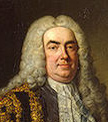
Sir Robert Walpole
|
| 74 | 1722 | - 1722: Last trial for witchcraft in Scotland
- 1722: Knatchbull's Act, poor laws
|
| 75 | 1723 | - 1723: Excise tax levied for coffee, tea, and chocolate
- 1723: The Waltham Black Acts add 50 capital offences to the penal code
- 1723: The Workhouse Act or Test
|
| 76 | 1724 | - 1724: Rapid growth of gin drinking in England
- 1724: Longman's founded (Britain's oldest publishing house)
|
| 77 | 1726 | - 1726: First circulating library opened in Edinburgh
- 1726: Invention of the chronometer by John Harrison
|
| 78 | 1727 | - 1727: Board of Manufacturers established in Scotland
- 11 Jun 1727: George I dies
|
| 79 | 1729 | - 9 Nov 1729: Treaty of Seville signed between Britain, France and Spain
|
| 80 | 1730 | |
| 81 | 1731 | - 1731: Invention of seed drill by Jethro Tull [others say 1701]
- 1731: Invention of sextant by John Hadley
|
| 82 | 1732 | - 7 Dec 1732: Covent Garden Opera House opens
|
| 83 | 1733 | - 1733: Excise crisis: Sir Robert Walpole wanted to add excise tax to tobacco and wine
- 1733: Law forbidding the use of Latin in parish registers generally obeyed
- 1733: John Kay invents the flying shuttle, revolutionised the weaving industry
|
| 84 | 1734 | - 1734: Kent's Directory published
|
| 85 | 1737 | - 1737: Licensing Act restricts the number of London theatres and subects plays to censorship
of the Lord Chamberlain (till 1950s)
|
| 86 | 1738 | - 24 May 1738: John Wesley has his conversion experience
|
| 87 | 1739 | - 1739: Wesley and Whitefield commence great Methodist revival
- 7 Apr 1739: Dick Turpin, highwayman, hanged at York
- 23 Oct 1739: War of Jenkins' Ear starts: Robert Walpole reluctantly declares war on Spain
|
| 88 | 1741 | - 1741: Benjamin Ingham founded the Moravian Methodists or Inghamites
|
| 89 | 1742 | |
| 90 | 1743 | - 16 Jun 1743: (June 27 in Gregorian calendar): Battle of Dettingen
- 27 Aug 1743—6 Mar 1754: Henry Pelham, UK Prime Minister (Whig)

Henry Pelham
|
| 91 | 1744 | - 1744: Tune 'God Save the King' makes its appearance
|
| 92 | 1745 | - 1745: Jacobite rebellion in Scotland ('The Forty-five')
- 19 Aug 1745: Bonnie Prince Charlie (The Young Pretender) lands in the western Highlands
|
| 93 | 1746 | - 16 Apr 1746: Battle of Culloden
|
| 94 | 1747 | - 1747: Abolition of Heritable Jurisdictions in Scotland
- 1747: Act for Pacification of the Highlands
|
| 95 | 1749 | - 1749: Windsor, Ontario
An agricultural settlement is founded in what is now Windsor, Ontario
- 1749: Halifax, Canada
Halifax is founded
- 27 Apr 1749: First performance of Handel's Music for the Royal Fireworks (in Green Park,
London)
|
| 96 | 1750 | - 1750: Canada,German
German Settlers arrive in Halifax
- Feb 1750: Series of earthquakes in London and the Home Counties cause panic with
predictions of an apocalypse (Feb/Mar)
- 16 Nov 1750: Original Westminster Bridge opened (replaced in 1862 due to subsidence)
|
| 97 | 1751 | - 1751: Halifax, Printing
Bartholomew Green established Canada'a first printing press in Halifax
- Mar 1751: Chesterfield's Calendar Act passed
|
| 98 | 1752 | - 1752: Benjamin Franklin invents the lightning conductor
- 1 Jan 1752: Beginning of the year 1752 [Scotland had adopted January as the start of the year
in 1600, and some other countries in Europe had adopted the Gregorian calendar as early as
1582]
- 3 Sep 1752: Julian Calendar dropped and Gregorian Calendar adopted in England and
Scotland, making this Sep 14
|
| 99 | 1753 | - 1753: Private collection of Sir Hans Sloane forms the basis of the British Museum
- 1 May 1753: Publication of "Species Plantarum" by Linnaeus, and the formal start date of plant
taxonomy
|
| 100 | 1754 | - 1754: Hardwicke Act (1753): Banns to be called, and Printed Marriage Register forms to be
used
- 1754: In the General Election, the Cow Inn at Haslemere, Surrey caused a national scandal by
subdividing the freehold to create eight votes instead of one
- 1754: First British troops not belonging to the East India Company despatched to India
- 1754: The French and Indian War
- 16 Mar 1754—16 Nov 1756: Thomas Pelham-Holles, 1st Duke of Newcastle, UK Prime Minister (Whig)
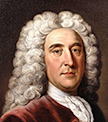
Thomas Pelham-Holles, 1st Duke of Newcastle
|
| 101 | 1755 | - 1755: Publication of "Dictionary of the English Language" by Dr Samuel Johnson
- 1755: Period of canal construction began in Britain (till 1827)
- 1755: The expulsion of the French Canadians by the British
- 1755: Canada, Post Office
The first Post Office is opened in Halifax
- 2 Dec 1755: Second Eddystone Lighthouse destroyed by fire
|
| 102 | 1756 | - 15 May 1756: The Seven Years War with France (Pitt's trade war) begins
- Jun 1756: Black Hole of Calcutta
- 16 Nov 1756—25 Jun 1757: William Cavendish, Duke of Devonshire, UK Prime Minister (Whig)

William Cavendish Duke of Devonshire
|
| 103 | 1757 | - 1757: The foundation laid for the Empire of India
- 1757: Canada
Henry Evans is the first architect in English Canada
- 14 Mar 1757: Admiral Byng shot at Portsmouth for failing to relieve Minorca
- 23 Jun 1757: The Nawab of Bengal tries to expel the British, but is defeated at the battle of
Plassey (Palashi, June 23)
- 2 Jul 1757—26 May 1762: Thomas Pelham-Holles, 1st Duke of Newcastle, UK Prime Minister (Whig)
Thomas Pelham-Holles, 1st Duke of Newcastle
|
| 104 | 1758 | - 1758: India stops being merely a commercial venture
- 2 Oct 1758: Canada Parliament
First Parliament elected in Canada
|
| 105 | 1759 | - 1759: Wesley builds 356 Methodist chapels
- 15 Jan 1759: British Museum opens to the public in London
- 16 Oct 1759: Third Eddystone Lighthouse (John Smeaton's) completed
|
| 106 | 1760 | - 1760: Carron Iron Works in operation in Scotland
- 5 May 1760: First use of hangman's drop
- 25 Oct 1760: George II dies
|
| 107 | 1761 | - 16 Jan 1761: British capture Pondicherry, India from the French
|
| 108 | 1762 | - 1762: Cigars introduced into Britain from Cuba
- 26 May 1762—8 Apr 1763: John Stuart, 3rd Earl of Bute, UK Prime Minister (Tory)
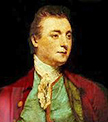
John Stuart, 3rd Earl of Bute
|
| 109 | 1763 | - 1763: Treaty of Paris
- 16 Apr 1763—13 Jul 1765: George Grenville, UK Prime Minister (Whig)
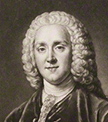
George Grenville
|
| 110 | 1764 | - 1764: Lloyd's Register of shipping first prepared
- 1764: Practice of numbering houses introduced to London
- 1764: James Hargeaves invents the Spinning Jenny (but destroyed 1768)
- 1764: Mozart produces his first symphony at age eight
|
| 111 | 1765 | |
| 112 | 1766 | - 1766: Start of 'composite' national records on rainfall in the UK
- 30 Jul 1766—14 Oct 1768: William Pitt 'The Elder', 1st Earl of Chatham, UK Prime Minister (Whig)
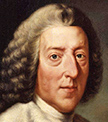
William Pitt 'The Elder', 1st Earl of Chatham
- 5 Dec 1766: Christie's auction house founded in London by James Christie
|
| 113 | 1767 | - 1767: Newcomen's steam pumping engine perfected by James Watt
|
| 114 | 1768 | - 9 Jan 1768: Philip Astley starts his circus in London
- 14 Oct 1768—28 Jan 1770: Augustus Henry Fitzroy, 3rd Duke of Grafton, UK Prime Minister (Whig)
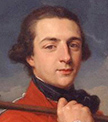
Augustus Henry Fitzroy, 3rd Duke of Grafton
- 6 Dec 1768: The first edition of the "Encyclopaedia Britannica" published in Edinburgh by
William Smellie
|
| 115 | 1769 | - 1769: Arkwright invents water frame (textile production)
- 1769: Capt James Cook maps the coast of New Zealand
- 6 Sep 1769: David Garrick organises first Shakespeare festival at Stratford-upon-Avon
|
| 116 | 1770 | - 1770: Clyde Trust created to convert the River Clyde, then an insignificant river, into a major
thoroughfare for maritime communications
- 28 Jan 1770—22 Mar 1782: Lord Frederick North, UK Prime Minister (Whig)
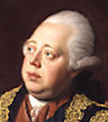
Lord Frederick North
- 28 Apr 1770: Capt James Cook lands in Australia (Botany Bay)
|
| 117 | 1771 | - 1771: Right to report Parliamentary debates established in England
|
| 118 | 1772 | - 1772: First Travellers' Cheques issued by the London Credit Exchange Company
- 1772: "Morning Post" first published (until 1937)
- 14 May 1772: Judge Mansfield rules that there is no legal basis for slavery in England
|
| 119 | 1774 | - 13 Sep 1774: Cook arrives on Easter Island
|
| 120 | 1775 | - 1 Jan 1775: The first Loyalists arrive in Canada
- 18 Apr 1775: American Revolutionary War
- 19 Apr 1775: Battle of Lexington: first action in American War of Independence (1775
|
| 121 | 1776 | - 1776: Somerset House in London becomes the repository of records of population
- 1776: Watt and Boulton produce their first commercial steam engine
- 4 Jul 1776: American Declaration of Independence
- 7 Sep 1776: First attack on a warship by a submarine
|
| 122 | 1777 | - 1777: Samuel Miller of Southampton patents the circular saw.
|
| 123 | 1779 | - 1779: Marc Isambard Brunel opens the first steamdriven sawmill at Chatham Dockyard in Kent
- 1779: First iron bridge built, over the Severn by John Wilkinson
- 1779: First Spinning Mills operational in Scotland
- 14 Feb 1779: Capt James Cook killed on Hawaii
- 23 Sep 1779: Naval engagement between Britain and USA off Flamborough Head
|
| 124 | 1780 | - 1780: Male Servants Tax
- 1780: The English Reform Movement
- 1780: Fountain pen invented
- 1780: About this time the word 'Quiz' entered the language, said to have been invented as a
wager by Mr Daly, a Dublin theatre manager
- 1780: Canada Quakers
The underground railroad is founded by Quakers who help slaves escape to Canada
- 4 May 1780: First Derby run at Epsom (some say 2nd June)
|
| 125 | 1782 | |
| 126 | 1783 | - 1783: Duty payable on Parish Register entries (3d per entry
- 1783: Canada German
Pennsylvania Germans immigrate to southwestern Ontario
- 2 Apr 1783—19 Dec 1783: William Bentinck Duke of Portland, UK Prime Minister (Whig)
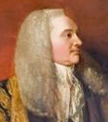
William Bentinck Duke of Portland
- 3 Sep 1783: Treaty of Versailles (Britain/US)
- 3 Nov 1783: Last public execution at Tyburn in London (John Austin, a highwayman)
- 19 Dec 1783—14 Mar 1801: William Pitt 'The Younger', UK Prime Minister (Tory)

William Pitt the Younger
|
| 127 | 1784 | - 1784: Pitt's India Act
- 1784: Wesley breaks with the Church of England
- 1784: First golf club founded at St Andrews
- 1784: Invention of threshing machine by Andrew Meikle
- 2 Aug 1784: First mail coaches in England (4pm Bristol / 8am London)
|
| 128 | 1785 | - 1785: Sunday School Society founded to educate poor children (by 1851, enrols more than 2
million)
- 1785: Northwest Indian War
- 1 Jan 1785: John Walter publishes first edition of The Times (called The Daily Universal
Register for 3 years)
|
| 129 | 1787 | - 1787: MCC (Marylebone Cricket Club) established at Thomas Lord's ground in London
|
| 130 | 1788 | - 1788: First steamboat demonstrated in Scotland
- 1788: Law passed requiring that chimney sweepers be a minimum of 8 years old (not
enforced)
- 1788: First slave carrying act, the Dolben Act of 1788, regulates the slave trade
- 1788: King George III's mental illness occasions the Regency Crisis
- 1788: Gibbon completes "Decline and Fall of the Roman Empire"
- 26 Jan 1788: First convicts (and free settlers) arrive in New South Wales (left Portsmouth 13
May 1787)
- 26 Jan 1788: Australia New South Wales
New South Wales colony is founded by the British as a penal colony
|
| 131 | 1789 | - 28 Apr 1789: Mutiny on HMS Bounty
- 30 Apr 1789—3 Mar 1797: George Washington, 1st President of the United States
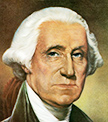
George Washington
- 27 Dec 1789: Canada stagecoach
Canada's first stage coach service is established between Queenston and Fort Erie
|
| 132 | 1790 | - 1790: Forth and Clyde Canal opened in Scotland
- 1790: Australian colony
Australian colony experiences a food shortage
|
| 133 | 1791 | - 1791: John Bell, printer, abandons the "long s" (the "s" that looks like an "f")
- 1791: Establishment of the Ordnance Survey of Great Britain
- 1791: Canada
Lower Canada (Quebec) and Upper Canada (Ontario) are formed
- 4 Dec 1791: First publication of The Observer
|
| 134 | 1792 | - 1792: Repression in Britain (restrictions on freedom of the press)
- 1792: Boyle's Street Directory published
- 1792: Coal-gas lighting invented by William Murdock, an Ayrshire Scot
- 1 Oct 1792: Introduction of Money Orders in Britain
- 1 Dec 1792: King's Proclamation drawing out the British militia
|
| 135 | 1793 | - 11 Feb 1793: Britain declares war on France (1793-1802)
|
| 136 | 1794 | - 1794: Abolition of Parish Register duties
- 6 Oct 1794: The prosecutor for Britain, Lord Justice Eyre, charges reformers with High
Treason
|
| 137 | 1795 | - 1795: The Famine Year
- 1795: Foundation of the Orange Order
- 1795: Speenhamland Act proclaims that the Parish is responsible for bringing up the labourer's
wage to subsistence level
- 1795: Pitt and Grenville introduce "The Gagging Acts" or "Two Bills" (the Seditious Meetings and Treasonable Practices Bills)
- 1795: Consumption of lime juice made compulsory in Royal Navy
|
| 138 | 1796 | - 1796: Pitt's "Reign of Terror": More treason trials
- 1796: Legacy Tax on sums over
- 14 May 1796: Dr Edward Jenner gave first vaccination for smallpox in England
|
| 139 | 1797 | - 1797: England in Crisis, Bank of England suspends cash payments
- 1797: Mutinies in the British Navy at Spithead and Nore
- 1797: Tax on newspapers (including cheap, topical journals) increased to repress radical
publications
- 1797: The first copper pennies were produced ('cartwheels') by application of steam power to
the coining press
- 22 Feb 1797: French invade Fishguard, Wales; last time UK invaded; all captured 2 days later
- 4 Mar 1797—3 Mar 1801: John Adams, 2nd President of the United States

John Adams
- 18 Jun 1797: Canada Mail
The first mail service between Canada and the United States is established
|
| 140 | 1798 | - 1798: First planned human experiment with vaccination, to test theories of Edward Jenner
- 9 Jan 1798: Franco-American War
- Feb 1798: The Irish Rebellion; 100,000 peasants revolt; approximately 25,000 die
- 1 Aug 1798: Battle of the Nile (won by Nelson)
|
| 141 | 1799 | - 1799: Foundation of Royal Military College Sandhurst by the Duke of York
- 1799: Foundation of the Royal Institution of Great Britain
- 9 Jan 1799: Pitt brings in 10% income tax, as a wartime financial measure
- 12 Jul 1799: 'Combination Laws' in Britain against political associations and combinations
- 15 Jul 1799: "Rosetta Stone" discovered in Egypt, made possible the deciphering (in 1822) of Ancient Egyptian hieroglyphics
|
| 142 | 1800 | - 1800: Electric light first produced by Sir Humphrey Davy
- 1800: Use of high pressure steam pioneered by Richard Trevithick (1771-1833)
- 1800: Royal College of Surgeons founded
- 1800: Herschel discovers infra-red light
- 1800: Volta makes first electrical battery
- 2 Jul 1800: Parliamentary union of Great Britain and Ireland
|
| 143 | 1801 | - 1801: Grand Union Canal opens in England
- 1801: Elgin Marbles brought from Athens to London
- 1 Jan 1801: Union Jack becomes the official British flag
- 4 Mar 1801—3 Mar 1809: Thomas Jefferson, 3rd President of the United States
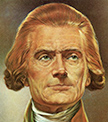
Thomas Jefferson
- 10 Mar 1801: First census puts the population of England and Wales at 9,168,000. Population of Britain nearly 11 million (75% rural)
- 17 Mar 1801—10 May 1804: Henry Addington, 1st Viscount Sidmouth, UK Prime Minister (Tory)
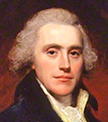
Viscount Sidmouth
- 1 Apr 1801: First Barbary War
- 24 Dec 1801: Richard Trevithick built the first self-propelled passenger carrying road loco
|
| 144 | 1802 | - 25 Mar 1802: Treaty of Amiens signed by Britain, France, Spain, and the Netherlands
|
| 145 | 1803 | - 1803: Poaching made a Capital offence in England if capture resisted
- 1803: Richard Trevithick built another steam carriage and ran it in London as the first
self-propelled vehicle in the capital and the first London bus
- 1803: Semaphore signalling perfected by Admiral Popham
- 30 Apr 1803: Louisiana Purchase: Napoleon sells French possessions in America to United States
- 12 May 1803: Peace of Amiens ends
- 23 Jul 1803: First public railway opens (Surrey Iron Railway, 9 miles from Wandsworth to
Croydon, horse-drawn)
|
| 146 | 1804 | - 1804: Matthew Flinders recommends that the newly discovered country, New Holland, be renamed "Australia"
- 21 Feb 1804: Richard Trevithick runs his railway engine on the Penydarren Railway (9.5 miles
from Pen-y-Darren to Abercynon in South Wales)
- 3 Mar 1804: John Wedgwood (eldest son of the potter Josiah Wedgwood) founds The Royal
Horticultural Society
- 10 May 1804—23 Jan 1806: William Pitt 'The Younger', UK Prime Minister (Tory)
William Pitt the Younger
- 2 Dec 1804: Napoleon declares himself Emperor of the French
- 12 Dec 1804: Spain declares war on Britain
|
| 147 | 1805 | - 1805: London docks opened
- 21 Oct 1805: Admiral Nelson's victory at Trafalgar
- 2 Dec 1805: Battle of Austerlitz; Napoleon defeats Austrians and Russians
|
| 148 | 1806 | - 1806: Dartmoor Prison opened (built by French prisoners)
- 9 Jan 1806: Nelson buried in St Paul's cathedral, London
- 11 Feb 1806—31 Mar 1807: William Wyndham Grenville, 1st Baron Grenville, UK Prime Minister (Whig)

William Wyndham Grenville, 1st Baron Grenville
|
| 149 | 1807 | - 25 Mar 1807: Parliament passes Act prohibiting slavery and the importation of slaves from 1808
- 31 Mar 1807—4 Oct 1809: William Bentinck, Duke of Portland, UK Prime Minister (Whig)
William Bentinck, Duke of Portland
|
| 150 | 1808 | - 1808: Gas lighting in London streets
- 13 Jul 1808: 'Hot Wednesday'
- 20 Dec 1808: Beethoven premieres his Fifth Symphony, Sixth Symphony, Fourth Piano Concerto and Choral Fantasy together in Vienna
|
| 151 | 1809 | - 12 Feb 1809: Birth of Charles Darwin
- 4 Mar 1809—3 Mar 1817: James Madison, 4th President of the United States
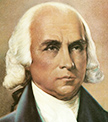
James Madison
- 18 Sep 1809: Royal Opera House opens in London
- 4 Oct 1809—11 May 1812: Spencer Perceval, UK Prime Minister (Tory)
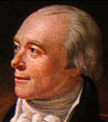
Spencer Perceval
|
| 152 | 1810 | - 1810: John McAdam begins road construction in England, giving his name to the process of
road metalling
|
| 153 | 1811 | - 5 Feb 1811: Prince of Wales (future George IV) made Regent after George III deemed insane
|
| 154 | 1812 | - 11 May 1812: Prime Minister, Spencer Perceval, assassinated
- 8 Jun 1812—9 Apr 1827: Robert Banks Jenkinson, Earl of Liverpool, UK Prime Minister (Tory)

Robert Banks Jenkinson, Earl of Liverpool
- 12 Jun 1812: War of 1812
- 18 Jun 1812: Start of American "War of 1812" (to 1814) against England and Canada
- Oct 1812: Napoleon retreats from Moscow with catastrophic losses
|
| 155 | 1813 | - 1813: Ireland: First recorded "12th of July" sectarian riots in Belfast
- 1813: Jane Austen wrote "Pride and Prejudice"
|
| 156 | 1814 | - 1 Jan 1814: Invasion of France by Allies
- 6 Apr 1814: Napoleon abdicates and is exiled to Elba
- 13 Aug 1814: Convention of London signed, a treaty between the UK and the Dutch
- 24 Aug 1814: The British burn the White House
- 29 Nov 1814: "The Times" first printed by a 'mechanical apparatus' (at 1,100 sheets per hour)
- 24 Dec 1814: Treaty of Ghent signed ending the 1812 war between Britain and the US
|
| 157 | 1815 | - 1815: Trial by Jury established in Scotland
- 1815: Davy develops the safety lamp for miners
- 3 Mar 1815: Second Barbary War
- 18 Jun 1815: The Battle of Waterloo: Napoleon defeated and exiled to St. Helena
|
| 158 | 1816 | - 1816: Income tax abolished
- 1816: For the first time British silver coins were produced with an intrinsic value substantially
below their face value
- 1816: Climate: the 'year without a summer'
- 1816: Large scale emigration to North America
- 1816: Trans-Atlantic packet service begins
|
| 159 | 1817 | - 1817: March of the Manchester Blanketeers; Habeas Corpus suspended
- 1817: Constable painted "Flatford Mill"
- 4 Mar 1817—3 Mar 1825: James Monroe, 5th President of the United States
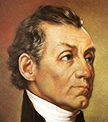
James Monroe
|
| 160 | 1818 | - 1818: Manchester cotton spinners' strike
- 20 Oct 1818: 'Convention of 1818' signed between the United States and the United Kingdom
which, among other things, settled the US-Canada border on the 49th parallel for most of its
length
|
| 161 | 1819 | - 1819: Primitive bicycle, the Dandy Horse, becomes popular
- 1819: Britain returns to gold standard
- 1819: Singapore founded by Sir Stamford Raffles
- May 1819: SS "Savannah" first steamship to cross Atlantic, reaching Liverpool 20 June 1819 (26
days, mostly under sail)
- 16 Aug 1819: Peterloo Massacre at Manchester
|
| 162 | 1820 | - 1820: Cato Street Conspiracy
- 1820: Abolition of the Spanish Inquisition
- 29 Jan 1820: Accession of George IV, previously Prince Regent
- 1 Aug 1820: Regent's Canal in London opens
- 17 Aug 1820: Trial of Queen Caroline to prove her infidelities so George IV can divorce her
|
| 163 | 1821 | - 1821: Faraday publishes "Principles of electro-magnetic rotation"
- 1821: Constable paints "The Hay Wain"
- 5 May 1821: Napoleon Bonaparte dies on St Helena
|
| 164 | 1822 | - 14 Jun 1822: Charles Babbage proposes a difference engine in a paper to the Royal Astronomical Society
|
| 165 | 1823 | - 1823: New laws concerning marriage by licence
- 1823: Peel begins penal reforms
- 1823: Rugby Football 'invented' at Rugby School
- 1823: Rubberised waterproof material produced by MacIntosh
- 2 Dec 1823: US President James Monroe delivers a speech establishing American neutrality in
future European conflicts (the 'Monroe Doctrine')
|
| 166 | 1824 | - 1824: RSPCA established
- 1824: Portland cement patented
- 4 Mar 1824: Royal National Lifeboat Institution (RNLI) founded (called the "National
Institution for the Preservation of Life from Shipwreck" until 1854)
- 10 May 1824: National Gallery in London opens to the public
|
| 167 | 1825 | - 1825: Census Quebec
Census is taken over Lower Canada (Quebec)
- 4 Mar 1825—3 Mar 1829: John Quincy Adams, 6th President of the United States
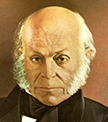
John Quincy Adams
- 27 Sep 1825: Stockton to Darlington Railway opens
- 3 Dec 1825: Van Diemen's Land
Van Diemen's Land colony is formed
|
| 168 | 1826 | - 1826: Netherlands
Malaria is among the 193 333 component Friesian population more than 4,000 fatalities
|
| 169 | 1827 | - 1827: Ohm's Law published
- 15 Mar 1827: Canada Education
University of Toronto is chartered
- 10 Apr 1827—8 Aug 1827: George Canning, UK Prime Minister (Tory)
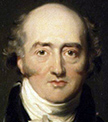
George Canning
- 31 Aug 1827—21 Jan 1828: Frederick Robinson, Viscount Goderich, UK Prime Minister (Tory)
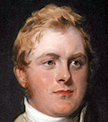
Frederick Robinson, Viscount Goderich
|
| 170 | 1828 | - 1828: Census Australia
The first Australian Census is taken
- 22 Jan 1828—16 Nov 1830: Arthur Wellesley, 1st Duke of Wellington, UK Prime Minister (Tory)
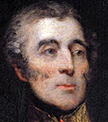
Arthur Wellesley, 1st Duke of Wellington
- 25 Oct 1828: St Katharine Docks in London opened (designed by Thomas Telford)
|
| 171 | 1829 | - 1829: London Metropolitan Police Force formed, nicknamed "Bobbies" after Sir Robert Peel
- 1829: Louis Braille invents his sytem of finger-reading for the blind
- 1829: Australia British
The continent of Australia is claimed as a British territory
- 4 Mar 1829—3 Mar 1837: Andrew Jackson, 7th President of the United States

Andrew Jackson
- 2 May 1829: Australia
Swan River colony is formed
- 10 Jun 1829: First Oxford/Cambridge Boat Race
- 6 Oct 1829: George Stephenson's Rocket wins the Rainhill trials (it was the only one to
complete the trial!)
|
| 172 | 1830 | - 1830: Uprisings and agitation across Europe: the Netherlands are split into Holland and
Belgium
- 1830: Origional Australians
An attempt to force Aborigional people onto the Tasmanian peninsula is made
- Jul 1830: Revolution in France, fall of Charles X and the Bourbons
- 15 Sep 1830: George Stephenson's Liverpool & Manchester Railway opened by the Duke of
Wellington
- 22 Nov 1830—9 Nov 1834: Charles Grey, 2nd Earl Grey, UK Prime Minister (Whig)
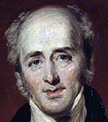
Charles Grey, 2nd Earl Grey
|
| 173 | 1831 | - 1831: A list of all parish registers dating prior to 1813 compiled
- 1 Jun 1831: James Clark Ross discovers the North Magnetic Pole
- 1 Aug 1831: 'New' London Bridge opens (replaced 1973)
|
| 174 | 1832 | - 1832: Electoral Registers introduced
- 1832: Electric telegraph invented by Morse
- 6 Feb 1832: Australia Swan River
Swan River colony is renamed Western Australia
- 14 May 1832: Black Hawk War
- 7 Jun 1832: Reform Bill passed
|
| 175 | 1833 | - Jan 1833: Britain invades the Falkland Islands
- 29 Aug 1833: Factory Act forbids employment of children below age of 9
|
| 176 | 1834 | - 1834: Babbage invents forerunner of the computer
- 18 Mar 1834: 'Tolpuddle Martyrs' transported (to Australia) for Trades Union activities
- 1 May 1834: Slavery abolished in British possessions
- 16 Jul 1834—14 Nov 1834: William Lamb, 2nd Viscount Melbourne, UK Prime Minister (Whig)

William Lamb, 2nd Viscount Melbourne
- 14 Nov 1834—10 Dec 1834: Arthur Wellesley, 1st Duke of Wellington, UK Prime Minister (Tory)
Arthur Wellesley, 1st Duke of Wellington
- 10 Dec 1834—8 Apr 1835: Sir Robert Peel, 2nd Baronet, UK Prime Minister (Conservative)
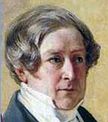
Sir Robert Peel, 2nd Baronet
|
| 177 | 1835 | - 1835: Christmas becomes a national holiday
- 1835: First railway boom period starts in Britain
- 1835: Origional Australians
It is declared by the governor of New South Wales that the Aborigines do not own their own land
- 18 Apr 1835—30 Aug 1841: William Lamb, 2nd Viscount Melbourne, UK Prime Minister (Whig)
William Lamb, 2nd Viscount Melbourne
- 2 Oct 1835: Texas War of Independence
|
| 178 | 1836 | - 1836: First Potato famine in Ireland
- 30 Jan 1836: Telford's Menai Straits Bridge opened
- 25 Feb 1836: Samuel Colt patented the 'revolver'
- 6 Mar 1836: The Alamo falls to Mexican troops
- 11 May 1836: Mexican-American War
- Jul 1836: Inauguration of the Arc de Triomphe in Paris
- 28 Dec 1836: South Australia
South Australia colony is founded with its western border set at 132° E
|
| 179 | 1837 | - 1837: Pitman introduces his shorthand system
- 1837: P&O Founded
- 4 Mar 1837—3 Mar 1841: Martin Van Buren, 8th President of the United States
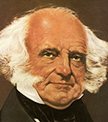
Martin Van Buren
- 20 Jun 1837: William IV dies
- 1 Jul 1837: Compulsory registration of Births, Marriages & Deaths in England & Wales
- 13 Jul 1837: Queen Victoria moves into the first Buckingham Palace
- 20 Jul 1837: Euston Railway station opens
|
| 180 | 1838 | - 1838: Australia Prussian Settlers
Prussian settlers arrive in South Australia, first time a large group of non-British settlers arrive
- 28 Jun 1838: Coronation of Queen Victoria at Westminster Abbey
|
| 181 | 1839 | - 1839: First Opium War between Britain and China (to 1842)
- 1839: Scottish blacksmith Kirkpatrick MacMillan refines the primitive bicycle, adding a
mechanical crank drive to the rear wheel, thus creating the first true "bicycle" in the modern
sense
- 1839: Charles Goodyear invented vulcanized rubber
- 1839: Australia Scottish
First Settlers from Scotland arrive in Port Phillip
- 1839: Netherlands recognizes the independence of Belgium
|
| 182 | 1840 | - 1840: Population Act relating to taking of censuses in Britain
- 1840: Last convicts landed in NSW (some say 1842 or 1849, but these probably landed
elsewhere)
- 1840: William I renounce the government. Willem II becomes King of the Netherlands
- 10 Jan 1840: Uniform Penny Postage introduced nationally
- 21 May 1840: New Zealand
New Zealand becomes part of New South Wales
- 16 Nov 1840: New Zealand
New Zealand colony is founded
|
| 183 | 1841 | - 1841: Thomas Cook starts package tours
- 1841: New Zealand
New Zealand is a separate colony and no longer part of New South Wales
- 10 Feb 1841: Penny Red replaces Penny Black postage stamp
- 4 Mar 1841—4 Apr 1841: William Henry Harrison, 9th President of the United States

William Henry Harrison
- 4 Apr 1841—3 Mar 1845: John Tyler, 10th President of the United States
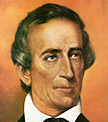
John Tyler
- 6 Jun 1841: June 6: First full census in Britain in which all names were recorded (Population 18.5M)
- 30 Aug 1841—29 Jun 1846: Sir Robert Peel, 2nd Baronet, UK Prime Minister (Conservative)
Sir Robert Peel, 2nd Baronet
|
| 184 | 1842 | - 1842: Income Tax reintroduced in Britain
- 30 Mar 1842: Ether used as an anaesthetic for the first time (by Dr Crawford Long in America)
- 29 Aug 1842: Treaty of Nanking
|
| 185 | 1843 | - 1843: First Christmas card in England
- 27 May 1843: The Great Hall of Euston station opened in London
- 19 Jul 1843: Brunel's 'Great Britain' launched
|
| 186 | 1844 | - 1844: Netherlands
very severe winter and the two following years, the potato crop failed . 's Population goes hungry.
- 6 Jun 1844: YMCA founded in London by Sir George Williams
|
| 187 | 1845 | - 1845: Tarmac laid for first time (in Nottingham)
- 4 Mar 1845—3 Mar 1849: James Knox Polk, 11th President of the United States

jJames K. Polk
- 17 Mar 1845: The rubber band patented by Stephen Perry
|
| 188 | 1846 | - 17 Feb 1846: North Australia
North Australia colony is founded covering all of New South Wales north of 26° S
- 30 Jun 1846—21 Feb 1852: Lord John Russell, 1st Earl Russell, UK Prime Minister (Whig)

Lord John Russell, 1st Earl Russell
- 10 Sep 1846: The sewing machine is patented by Elias Howe
|
| 189 | 1847 | - 1847: US Mormons make Salt Lake City their centre
- Jan 1847: An anaesthetic used for the first time in England (James Simpson used ether to numb the pain of labour)
- 15 Apr 1847: North Australia
North Australia is reincorporated into New South Wales
|
| 190 | 1848 | - 1848: First commercial production of chewing gum
- 24 Jan 1848: Gold found at Sutter's Mill, California
- 11 Jul 1848: Waterloo railway station in London opens
|
| 191 | 1849 | - 1849: Florin (2 shilling coin) introduced as the first step to decimalisation
- 1849: Netherlands
King William II dies of a heart attack . On May 12 , King William III inaugurated
- 4 Mar 1849—9 Jul 1850: Zachary Taylor, 12th President of the United States

Zachary Taylor
|
| 192 | 1850 | - 9 Jul 1850—3 Mar 1853: Millard Fillmore, 13th President of the United States
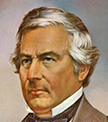
Millard Fillmore
|
| 193 | 1851 | - 1851: Gold discovered in Australia
- 1851: Australia Gold Rush
Gold is discovered at Summerhill Creek and Ballarat
- 1 May 1851: Great exhibition of the works of industry of all nations ("Crystal Palace" exhibition) opened in Hyde Park
- 1 Jul 1851: Australia Victoria
Victoria colony is founded
|
| 194 | 1852 | |
| 195 | 1853 | - 1853: Vaccination against smallpox made compulsory in Britain
- 4 Mar 1853—3 Mar 1857: Franklin Pierce, 14th President of the United States
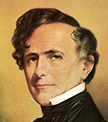
Franklin Pierce
|
| 196 | 1854 | - 1854: Cigarettes introduced into Britain
- 27 Mar 1854: Britain declares war on Russia (Crimean War)
- 25 Oct 1854: Battle of Balaklava in Crimea (charge of the Light Brigade)
|
| 197 | 1855 | - 1855: Australia Chinese
Chinese Immigration Act
- 1855: Australia Vote
Men over the age of 21 in South Australia gain the right to vote
- 6 Feb 1855—19 Feb 1858: Henry John Temple, 3rd Viscount Palmerston, UK Prime Minister (Tory and Whig)

Henry John Temple, 3rd Viscount Palmerston
|
| 198 | 1856 | - 1856: End of Crimean War
- 29 Jan 1856: Victoria Cross created by Royal Warrant, backdated to 1854 to recognise acts
during the Crimean War (first award ceremony 26 June 1857)
|
| 199 | 1857 | - 1857: Work starts on the laying of the Transatlantic cable
- 4 Mar 1857—3 Mar 1861: James Buchanan, 15th President of the United States

James Buchanan
|
| 200 | 1858 | - 1858: 'The great stink'
- 1858: Royal Opera House opens in Covent Garden, London
- 20 Feb 1858—11 Jun 1859: Edward Smith Stanley, 14th Earl of Derby, UK Prime Minister (Tory and Whig)

Edward Smith Stanley, 14th Earl of Derby
|
| 201 | 1859 | - 1859: Peaceful picketing legalised in Britain
- 25 Apr 1859: Work started on building the Suez canal (opened 17 Nov 1869)
- 4 May 1859: Brunel's Royal Albert Bridge opened at Saltash giving rail link between Devon
and Cornwall
- 12 Jun 1859—18 Oct 1865: Henry John Temple, 3rd Viscount Palmerston, UK Prime Minister (Whig)
Henry John Temple, 3rd Viscount Palmerston
- 24 Nov 1859: Charles Darwin publishes "The Origin of Species"
|
| 202 | 1860 | - 1860: Slavery
official abolition of slavery in the Dutch East Indies
- 29 Aug 1860: First tram service in Europe starts in Birkenhead
|
| 203 | 1861 | - 4 Mar 1861—15 Apr 1865: Abraham Lincoln, 16th President of the United States

Abraham Lincoln
- 12 Apr 1861: American Civil War
- 25 May 1861—14 Apr 1864: American Civil War
|
| 204 | 1862 | - 1862: Lincoln issues first legal US paper money (Greenbacks)
- 20 Apr 1862: First pasteurisation test completed by Louis Pasteur and Claude Bernard
|
| 205 | 1863 | - 1863: Football Association founded (UK)
- 1863: Opening of state institution for criminally insane at Broadmoor, England
- 10 Jan 1863: First section of the London Underground Railway opens
|
| 206 | 1864 | - 1864: A man-powered submarine, "Hunley", sank a Federal steam ship, USS Housatonic, at the entrance to Charleston harbour in 1864
- 11 Mar 1864: The Great Sheffield Flood
- 20 Aug 1864: Red Cross established
- 8 Dec 1864: Clifton Suspension Bridge over the River Avon officially opened
|
| 207 | 1865 | - 1865: Elizabeth Garrett Anderson (1836-1917) becomes first woman doctor in England [she later became the first woman mayor in England, in Aldeburgh 1908]
- 1865: First concrete roads built in Britain
- 14 Apr 1865: Abraham Lincoln assassinated in Ford's Theatre by John Wilkes Booth
- 15 Apr 1865—3 Mar 1869: Andrew Johnson, 17th President of the United States

Andrew Johnson
- 5 Jul 1865: William Booth (1829-1912) founds Salvation Army, in London
- 29 Oct 1865—26 Jun 1866: Lord John Russell, 1st Earl Russell, UK Prime Minister (Whig)
Lord John Russell, 1st Earl Russell
|
| 208 | 1866 | |
| 209 | 1867 | - 1 Jul 1867: The British North America Act takes effect, creating the Canadian Confederation
|
| 210 | 1868 | |
| 211 | 1869 | - 1869: Ball bearings, celluloid, margarine, and washing machines, all invented
- 4 Mar 1869—3 Mar 1877: Ulysses S. Grant, 18th President of the United States

Ulysses S. Grant
- 23 Nov 1869: Cutty Sark launched in Dumbarton
|
| 212 | 1870 | - 1870: GPO takes over the privately-owned Telegraph Companies (nationalised)
- 1870: Dr Thomas Barnardo opens his first home for destitute children
- 1870: Water closets come into wide use
- 1870: Diamonds discovered in Kimberley, South Africa
- 1870: Smallpox epidemic in the Netherlands. In 1871 the number of deaths rises to 15,787
- 1870: Netherlands abolished the death penalty
- 1 Oct 1870: First British postcard
|
| 213 | 1871 | - 27 Mar 1871: First Rugby Football international, England v Scotland, played in Edinburgh
- 29 Mar 1871: Opening of Royal Albert Hall, London
- 29 Jun 1871: Trades Unions legalised in Britain, but picketing made illegal
|
| 214 | 1872 | - 1872: Licensing hours introduced
- 1872: Penalties introduced for failing to register births, marriages & deaths (Eng & Wales)
- 4 Dec 1872: American ship "Mary Celeste" is found abandoned by the British brig "Dei Gratia" in the Atlantic Ocean
|
| 215 | 1873 | - 1873: Netherlands
Aceh war . On 8 April, the Dutch colonial army lands on the coast of Sumatra
|
| 216 | 1874 | - 1874: Factory Act introduces 56-hour week
- 1874: Netherlands
Children Act Samuel van Houten. Labour by children under 12 is prohibited.
- 20 Feb 1874—21 Apr 1880: Benjamin Disraeli, the Earl of Beaconsfield, UK Prime Minister (Conservative)

Benjamin Disraeli, the Earl of Beaconsfield
- 5 Apr 1874: Birkenhead Park opened, said to be the first civic public park in the world
|
| 217 | 1875 | - 1875: London's main sewage system completed
- 1875—1882: US Epidemic
North American smallpox epidemic
- 1 Jan 1875: Midland Railway abolishes Second Class passenger facilities, leaving First Class and Third Class. Other British railway companies followed during the rest of the year. (Third Class was renamed Second Class in 1956)
|
| 218 | 1876 | - 1876: Netherlands
Mata Hari was born in Leeuwarden on August 7, Margaret Gertrude Zelle
- 14 Feb 1876: Alexander Graham Bell and Elisha Gray each file a patent for the telephone
|
| 219 | 1877 | - 1877: Edison invents microphone and phonograph
- 4 Mar 1877—3 Mar 1881: Rutherford Birchard Hayes, 19th President of the United States

Rutherford Birchard Hayes
|
| 220 | 1878 | - 1878: Edison & Swan invent electric lamp
- 1878: Red Flag Act in Britain limits mechanical road vehicles to 4mph
- 1878: CID established at New Scotland Yard
|
| 221 | 1879 | - 1879: Netherlands
Establishment of the 1st political party : the Anti- Revolutionary Party , led by Abraham Kuyper
- 18 Sep 1879: Blackpool illuminations switched on for first time
|
| 222 | 1880 | - 1880: Education Act: schooling compulsory for 5-10 year olds
- 1880: Mosquito found to be the carrier of malaria
- 23 Apr 1880—9 Jun 1885: William Ewart Gladstone, UK Prime Minister (Liberal)

William Ewart Gladstone
- 2 Aug 1880: Greenwich Mean Time adopted throughout UK
|
| 223 | 1881 | - 1881: Postal Orders introduced
- 1881: Flogging abolished in Army and Royal Navy
- 4 Mar 1881—19 Sep 1881: James Abram Garfield, 20th President of the United States

James Abram Garfield
- Sep 1881: Godalming in Surrey became the first town in England to have a public electricity
supply installed (but in 1884 it reverted to gas lighting until 1904)
- 19 Sep 1881—3 Mar 1885: Chester Alan Arthur, 21st President of the United States

Chester Alan Arthur
- 26 Oct 1881: Gunfight at OK Corral
|
| 224 | 1882 | - 1882: Fourth Eddystone Lighthouse completed
|
| 225 | 1883 | - 1883: Statue of Liberty presented to USA by France
- 24 May 1883: Brooklyn Bridge, New York opens (crosses East River)
- 1 Aug 1883: Parcel post starts in Britain
- 27 Aug 1883: Eruption of Krakatoa near Java
|
| 226 | 1884 | - 31 May 1884: John Harvey Kellogg patents corn flakes
- 13 Oct 1884: Greenwich made prime meridian of the world
|
| 227 | 1885 | - 1885: Carl Benz builds the 'Motorwagen', a single-cylinder motor car
- 1885: Gottlieb Daimler patents the world's first motorcycle
- 1885: Eastman makes first coated photographic paper
- 1885: Canadian Pacific Railway completed
- Mar 1885: First UK cremation in modern times took place at Woking
- 4 Mar 1885—3 Mar 1889: Grover Cleveland, 22nd President of the United States

Grover Cleveland
- 23 Jun 1885—26 Jan 1886: Robert Gascoyne-Cecil, 3rd Marquess of Salisbury, UK Prime Minister (Conservative)

Robert Gascoyne-Cecil, 3rd Marquess of Salisbury
- 5 Sep 1885: The first train runs through the Severn Tunnel
- 29 Sep 1885: First electric tramcar used at Blackpool
|
| 228 | 1886 | - 20 Jan 1886: Mersey railway (under Mersey) opened by Prince of Wales
- 1 Feb 1886—20 Jul 1886: William Ewart Gladstone, UK Prime Minister (Liberal)
William Ewart Gladstone
- May 1886: Pharmacist John Styth Pemberton invents a carbonated beverage later named
"Coca-Cola"
- 29 May 1886: Putney Bridge opens in London
- 25 Jul 1886—11 Aug 1892: Robert Gascoyne-Cecil, 3rd Marquess of Salisbury, UK Prime Minister (Conservative)
Robert Gascoyne-Cecil, 3rd Marquess of Salisbury
|
| 229 | 1887 | - 1887: Daimler produces a four-wheeled motor car
|
| 230 | 1888 | - 1888: Convention of Constantinople guarantees free maritime passage through Suez
Canal in war and peace
- 1888: Jack the Ripper active in east London during the latter half of the year
- 1888: County Councils set up in Britain
- 1888: Dunlop invents pneumatic tyre
- 1888: First box camera
- 20 Mar 1888: Football League formed
|
| 231 | 1889 | - 1889: Celluloid film produced
- 1889: Dock Strike
- 4 Mar 1889—3 Mar 1893: Benjamin Harrison, 23rd President of the United States

Benjamin Harrison
- 31 Mar 1889: Eiffel Tower completed (to mark centenary of French Revolution)
- 14 May 1889: Children's charity NSPCC launched in London
- 3 Jun 1889: Canadian Pacific Railway completed from coast to coast
- 28 Sep 1889: Length of a metre defined
|
| 232 | 1890 | - 1890: Netherlands
King William III dies . Queen Emma becomes regent
- 1890: Netherlands
Birth of Princess Wilhelmina
- 4 Mar 1890: Forth railway bridge opens
- 4 Nov 1890: City & South London Railway opens
|
| 233 | 1891 | - 1891: Primary education made free and compulsory
- 18 Mar 1891: First telephone link between London & Paris
- 4 May 1891: Fictional date when Sherlock Holmes throws Moriarty over Reichenbach Falls, then disappears for 3 years! (published in 1893)
- 24 Aug 1891: Thomas Edison patents the motion picture camera
|
| 234 | 1892 | - 1892: Electric oven invented
- 1892: Shop Hours Act
- 15 Aug 1892—2 Mar 1894: William Ewart Gladstone, UK Prime Minister (Liberal)
William Ewart Gladstone
- 6 Oct 1892: Alfred Lord Tennyson dies, aged 83, at his house Aldworth, near Haslemere
|
| 235 | 1893 | - 1893: Henry Ford's first car
- 1893: Zip fastener invented
- 4 Mar 1893—3 Mar 1897: Grover Cleveland, 24th President of the United States

Grover Cleveland
|
| 236 | 1894 | - 1894: Picture postcard introduced in Britain
- 1 Jan 1894: Manchester Ship Canal opens
- 1 Mar 1894: Blackpool Tower opens
- 5 Mar 1894—25 Jun 1895: Archibald Primrose, 5th Earl of Rosebery, UK Prime Minister (Liberal)

Archibald Primrose, 5th Earl of Rosebery
- 30 Jun 1894: Tower Bridge first opens
- 2 Aug 1894: Death duties first introduced in Britain
|
| 237 | 1895 | - 1895: Sir Henry Wood starts Promenade Concerts in London
- 12 Jan 1895: The National Trust founded in England
- 24 May 1895: Henry Irving becomes the first person from the theatre to be knighted
- 28 May 1895: Oscar Wilde sent to prison
- 25 Jun 1895—11 Jul 1902: Robert Gascoyne-Cecil, 3rd Marquess of Salisbury, UK Prime Minister (Conservative)
Robert Gascoyne-Cecil, 3rd Marquess of Salisbury
- 12 Jul 1895: First recorded motor journey of any length (56 miles) in Britain
- 17 Oct 1895: First people in Britain to be charged with motor offences
- Nov 1895: X-rays discovered
|
| 238 | 1896 | - 1896: Netherlands
In 1896, the Hague photographer Adolphe Zimmermans was the first who drove a car on Dutch roads
- 5 Apr 1896: First modern Olympic Games held in Athens
- 2 Jun 1896: Guglielmo Marconi receives a British patent (later disputed) for the radio
|
| 239 | 1897 | - 1897: Thomas Edison patents the Kinetoscope, the first movie projector
- 4 Mar 1897—24 Sep 1901: William McKinley, 25th President of the United States

William McKinley
|
| 240 | 1898 | - 1898: First photograph using artificial light
- 1898: Zeppelin builds airship
- 1898: Goodyear Tire & Rubber Company founded
- 1898: Netherlands
Inauguration of Queen Wilhelmina in Amsterdam.
- 17 Mar 1898: USS Holland launched, the first practical submarine
- 25 Apr 1898: Spanish-American War
- 27 Jun 1898: The first solo circumnavigation of the globe completed at Rhode island by
Joshua Slocum in Spray (started from Boston, Mass on Apr 24, 1895)
|
| 241 | 1899 | |
| 242 | 1900 | - 1900: School leaving age in Britain raised to 14 years
- 1900: Central Line opens in London: underground is electrified
- 1900: Escalator shown at Paris exhibition
- 9 Feb 1900: Davis Cup tennis competition established
- 27 Feb 1900: Labour Party formed
|
| 243 | 1901 | - 1901: Commonwealth of Australia founded
- 1901: Hubert Cecil Booth patents the vacuum cleaner
- 1901: Netherlands
Queen Wilhelmina marries Prince Henry , Duke of Mecklenburg
- 22 Jan 1901: Queen Victoria dies
- 2 Feb 1901: Queen Victoria's funeral
- Jun 1901: Denunciation of use of concentration camps by British in Boer War
- 14 Sep 1901—3 Mar 1909: Theodore Roosevelt, 26th President of the United States

Theodore Roosevelt
- 2 Oct 1901: Britain's first submarine launched
- 12 Dec 1901: First successful radio transmission across the Atlantic, by Marconi
|
| 244 | 1902 | - 1902: Balfour's Education Act provides for secondary education
- 1902: Cremation Act
- 1902: Marie Curie discovers radioactivity
- 24 May 1902: Empire Day (later Commonwealth Day) first celebrated
- 31 May 1902: Treaty of Vereeniging ends Second Boer War
- 11 Jul 1902—5 Dec 1905: Arthur James Balfour, UK Prime Minister (Conservative)

Arthur James Balfour
- 9 Aug 1902: Coronation of Edward VII
|
| 245 | 1903 | - 1903: Workers' Education Association (WEA) formed in Britain
- 1903: Women's Social and Political Union formed in Britain by Emmeline Pankhurst
- 1903: Henry Ford sets up his motor company
- 14 Dec 1903: First flight of Wilbur & Orville Wright
|
| 246 | 1904 | - 1904: Leeds University established
- 8 Apr 1904: France and UK sign the Entente Cordiale
- 4 May 1904: America takes over construction of the Panama Canal from the French
(completed 1914)
|
| 247 | 1905 | - 1905: The title 'Prime Minister' noted in a royal warrant for the first time
- 1905: Aliens Act in Britain: Home Office controls immigration
- 1905: Germany lays down the first Dreadnought battleship
- 11 Apr 1905: Einstein publishes Special Theory of Relativity
- 5 Dec 1905—7 Apr 1908: Sir Henry Campbell-Bannerman, UK Prime Minister (Liberal)

Sir Henry Campbell-Bannerman
|
| 248 | 1906 | - 1906: Introduction of free school meals for poor children
- 10 Feb 1906: Launching of HMS Dreadnought, first turbine-driven battleship
- 15 Mar 1906: Rolls-Royce Ltd registered
- 26 May 1906: Vauxhall Bridge opened in London
- 20 Sep 1906: Launching of Cunard's RMS Mauretania on the Tyne
|
| 249 | 1907 | - 1907: New Zealand becomes a Dominion
- 1907: Imperial College, London, is established
- 1907: First airship flies over London
- 1907: Lumiere develops a process for colour photography
- Jul 1907: Leo Hendrik Baekeland patents Bakelite, the first plastic invented that held its
shape after being heated
- 1 Aug 1907: Baden-Powell leads the first Scout camp on Brownsea Island
- 9 Nov 1907: The Cullinan Diamond presented to Edward VII on his birthday
|
| 250 | 1908 | - 1908: Coal Mines Regulation Act in Britain limits men to an eight hour day
- 1908: Separate courts for juveniles established in Britain
- 1908: Lord Baden-Powell starts the Boy Scout movement
- 7 Apr 1908—7 Dec 1916: Herbert Henry Asquith, UK Prime Minister (Liberal)

Herbert Henry Asquith
- 1 Jul 1908: SOS became effective as an international signal of distress
- 12 Aug 1908: First 'Model T' Ford made
|
| 251 | 1909 | - 1909: Beveridge Report prompts creation of labour Exchanges
- 1909: Peary reaches the north pole
- 1909: First commercial manufacture of Bakelite
- 1909: Netherlands
Princess Juliana born
- 1 Jan 1909: Old Age Pensions Act came into force
- 16 Jan 1909: Ernest Shackleton's expedition finds the magnetic South Pole
- 4 Mar 1909—3 Mar 1913: William Howard Taft, 27th President of the United States

William Howard Taft
- 15 Mar 1909: Selfridges department store opens in London
- 25 Jul 1909: Bleriot flies across the Channel (36 minutes, Calais to Dover)
|
| 252 | 1910 | - 1910: Railway strike and coal strikes in Britain
- 1910: Constitutional crisis in Britain
- 1910: Dr Crippen caught by radio telegraphy; hanged 23 Nov at Pentonville
- 1910: Madame Curie isolates radium
- 1910: Halley's comet reappears
- 1910: Tango becomes popular in North America and Europe
- 6 May 1910: Edward VII dies
|
| 253 | 1911 | - 1911: Parliament Act in Britain reduces the power of the House of Lords
- 1911: British MPs receive a salary
- 1911: First British Official Secrets Act
- 1911: Rutherford: theory of atomic structures
- 1911: Strikes by seamen, dock and transport workers (1911-1912)
- 2 Apr 1911: Census: Population - England and Wales: 36 Million; Scotland: 4.6 Million; N Ireland: 1.25 Million
- 22 Jun 1911: Coronation of George V
- 14 Dec 1911: National Insurance introduced in Britain
|
| 254 | 1912 | - 1912: Irish Home Rule crisis grows in Britain
- 1912: Britain nationalises the telephone system
- 1912: Discovery of the 'Piltdown Man'
- 18 Jan 1912: Captain Scott's last expedition
- 14 Apr 1912: The 'unsinkable' Titanic sinks on maiden voyage
- 13 May 1912: Royal Flying Corps (later the RAF) founded in Britain
|
| 255 | 1913 | - 1913: Third Irish Home Rule Bill rejected by House of Lords
- 1913: Suffragette demonstrations in London
- 1913: Trade Union Act in Britain establishes the right to use Union funds for political
purposes
- 1913: Invention of stainless steel by Harry Brearley of Sheffield
- 1913: Geiger invents his counter to measure radioactivity
- 4 Mar 1913—3 Mar 1921: Woodrow Wilson, 28th President of the United States

Woodrow Wilson
- 4 Jun 1913: Emily Davison, a suffragette, runs out in front of the king's horse, Anmer, at the
Epsom Derby and dies
|
| 256 | 1914 | - 1914: Irish Home Rule Act provides for a separate Parliament in Ireland; the position of Ulster
to be decided after the War
- 1914: Chaplin and De Mille make their first films
- 28 Jun 1914: Archduke Ferdinand assassinated in Sarajevo
- 4 Aug 1914: Britain declares war on Germany, citing Belgian neutrality as reason
- 5 Aug 1914: British cableship Telconia cut through all five of Germany's undersea telegraph
links to the outside world
- 15 Aug 1914: Panama Canal opened, the Canal cement boat 'Ancon' making the first official
transit (plans for a grand opening were cancelled due to the start of WW1)
- Oct 1914: Battle of Ypres
- 27 Nov 1914: First policewoman goes on duty in Britain
- 16 Dec 1914: German battleships bombard Hartlepool and Scarborough
|
| 257 | 1915 | - 1915: Junkers construct first fighter aeroplane
- 1915: First automatic telephone exchange in Britain
- 19 Jan 1915: First Zeppelin air raid on England, over East Anglia
- Feb 1915: Submarine blockade of Britain starts
- Apr 1915: Second Battle of Ypres
- 25 Apr 1915: Gallipoli campaign starts (declared ANZAC Day in 1916)
- 7 May 1915: RMS Lusitania sunk by German submarine off coast of Ireland
- 16 May 1915: First meeting of a British WI (Women's Institute) took place in Llanfairpwll
(aka Llanfair PG), Anglesey
|
| 258 | 1916 | - 1916: Compulsory military service introduced in Britain
- Feb 1916: Battle of Verdun
- 24 Apr 1916: Easter Rising in Ireland
- 21 May 1916: First use of Daylight Saving Time in UK
- 31 May 1916: Battle of Jutland
- 5 Jun 1916: Sinking of HMS Hampshire and death of Kitchener
- 3 Aug 1916: Sir Roger Casement hanged at Pentonville Prison for treason
- 15 Sep 1916: First use of tanks in battle, but of limited effect (Battle of the Somme 1 July to 18 Nov: over 1 million casualties)
- 7 Dec 1916: Lloyd-George becomes British Prime Minister of the coalition government
- 7 Dec 1916—19 Oct 1922: David Lloyd George, UK Prime Minister (Liberal)

David Lloyd George
|
| 259 | 1917 | - 1917: Battle of Cambrai
- 1917: Ministry of Labour is established in Britain
- Feb 1917: February revolution in Russia; Tsar Nicholas abdicates
- 6 Apr 1917: World War I
- 16 Apr 1917: Lenin returns to Russia after exile
- 17 Apr 1917: USA declares war on Germany
- 26 May 1917: George V changes surname from Saxe-Coburg-Gotha to Windsor (Royal
proclamation on 17 July)
- Jul 1917: Battle of Passchendaele
- 7 Nov 1917: 'October' Revolution in Russia
- 6 Dec 1917: Halifax (Nova Scotia) Explosion, one of the world's largest artificial non-nuclear
explosions to date: a ship loaded with wartime explosives blew up after a collision,
obliterating buildings and structures within two square kilometres of the explosion
- 9 Dec 1917: British forces capture Jerusalem
|
| 260 | 1918 | - 1918: Vote for women over 30, men over 21 (except peers, lunatics and felons)
- 1918: War of Independence in Ireland
- 1918: Epidemic
The Spanish flu caused over 20 million deaths worldwide
- 18 Jan 1918: Bentley Motors founded
- 8 Mar 1918: Start of world-wide 'flu pandemic
- Jul 1918: Second Battle of the Marne: last major German offensive in WW1 (Jul-Aug)
- 1 Oct 1918: Arab forces under Lawrence of Arabia capture Damascus
- 11 Nov 1918: Armistice signed
- Dec 1918: First woman elected to House of Commons, Countess Markiewicz as a Sinn F
|
| 261 | 1919 | - 1919: Britain adopts a 48-hour working week
- 1919: Sir Ernest Rutherford publishes account of splitting the atom
- 15 Jun 1919: Alcock and Brown complete first nonstop flight across the Atlantic
- 28 Jun 1919: Treaty of Versailles signed
|
| 262 | 1920 | - 1920: Regular cross-channel air service starts
- 1920: Marconi opens a radio broadcasting station in Britain
- 1920: Thompson patents his machine gun (Tommy gun)
- Feb 1920: First roadside petrol filling station in UK
|
| 263 | 1921 | - 1921: Railway Act in Britain amalgamates companies
- 1921: Insulin discovery announced
- 1921: First birth control clinic
- 4 Mar 1921—2 Aug 1923: Warren Gamaliel Harding, 29th President of the United States

Warren Gamaliel Harding
- 19 Jun 1921: Census: Population - England and Wales: 37.9 Million; Scotland: 4.9 Million; N Ireland: 1.25 Million
- 6 Dec 1921: Anglo-Irish Treaty signed in London, leading to the formation of the Irish Free
State and Northern Ireland
|
| 264 | 1922 | - 1922: Law of Property Act
- 1 Jun 1922: Royal Ulster Constabulary founded
- Oct 1922: BBC established as a monopoly, and begins transmissions in November (2LO in
London on 14 Nov; 5IT in Birmingham and 2ZY in Manchester on 15 Nov)
- 23 Oct 1922—20 May 1923: Andrew Bonar Law, UK Prime Minister (Conservative)

Andrew Bonar Law
|
| 265 | 1923 | - 1923: Roads in Great Britain classified with A and B numbers
- 1923: Hubble shows there are galaxies beyond the Milky Way
- 1923: First American broadcasts heard in Britain
- 1923: Netherlands
Queen Wilhelmina celebrates its 25th jubilee
- 1 Jan 1923: The majority of the railway companies in Great Britain grouped into four main
companies, the Big Four: LNER, GWR, SR, LMSR
- 16 Feb 1923: Howard Carter unsealed the burial chamber of Tutankhamun
- 28 Apr 1923: First Wembley cup final (West Ham 0, Bolton 2)
- 23 May 1923—16 Jan 1924: Stanley Baldwin, UK Prime Minister (Conservative)

Stanley Baldwin
- 2 Aug 1923—3 Mar 1929: Calvin Coolidge, 30th President of the United States

Calvin Coolidge
- 28 Sep 1923: First publication of Radio Times
|
| 266 | 1924 | - 4 Jan 1924: First Labour government in Britain, headed by Ramsay MacDonald
- 22 Jan 1924—4 Nov 1924: James Ramsay MacDonald, UK Prime Minister (Labour)

James Ramsay MacDonald
- 5 Feb 1924: Hourly Greenwich Time Signals from the Royal Greenwich Observatory were
first broadcast by the BBC
- 31 Mar 1924: British Imperial Airways begins operations (formed by merger of four British
airline companies
- 4 Nov 1924—5 Jun 1929: Stanley Baldwin, UK Prime Minister (Conservative)
Stanley Baldwin
|
| 267 | 1925 | - 1925: Britain returns to gold standard
- 18 Jul 1925: Adolf Hitler publishes Mein Kampf
|
| 268 | 1926 | - 1926: First public demonstration of television (TV) by John Logie Baird
- 1926: Adoption of children is legalised in Britain
- 1926: Kodak produces 16mm movie film
- 1926: Walt Disney arrives in Hollywood
- 21 Apr 1926: Princess Elizabeth born
- 3 May 1926: General Strike begins. Lasts until May 12 (mine workers for 6 months more)
- 31 Oct 1926: Death of Harry Houdini
|





 1643 -